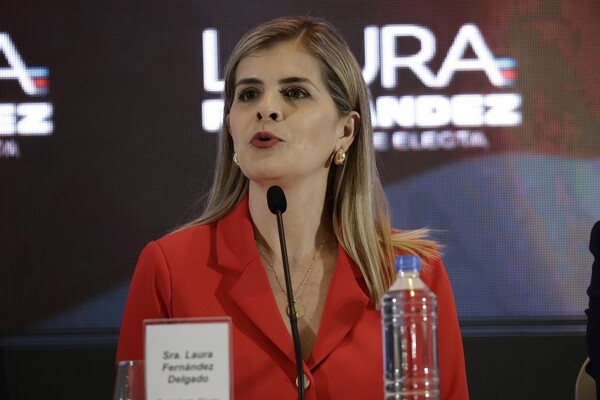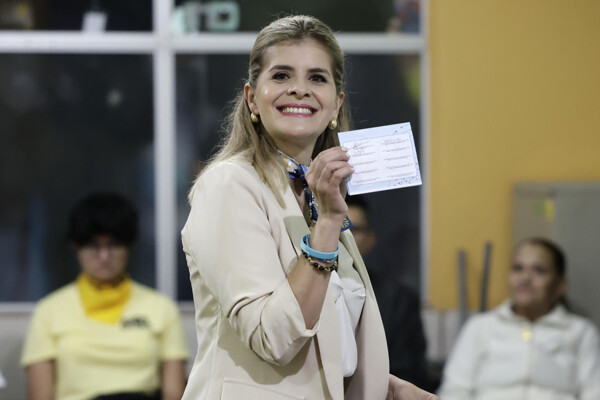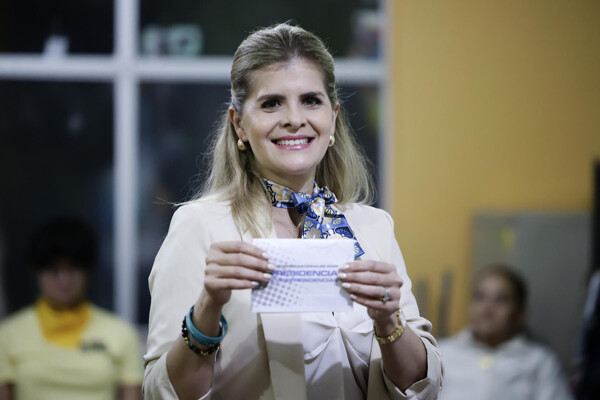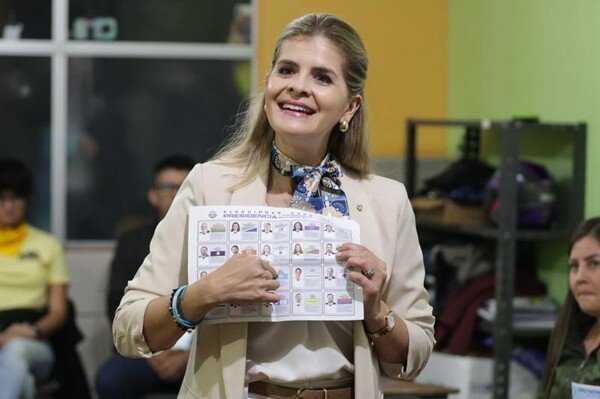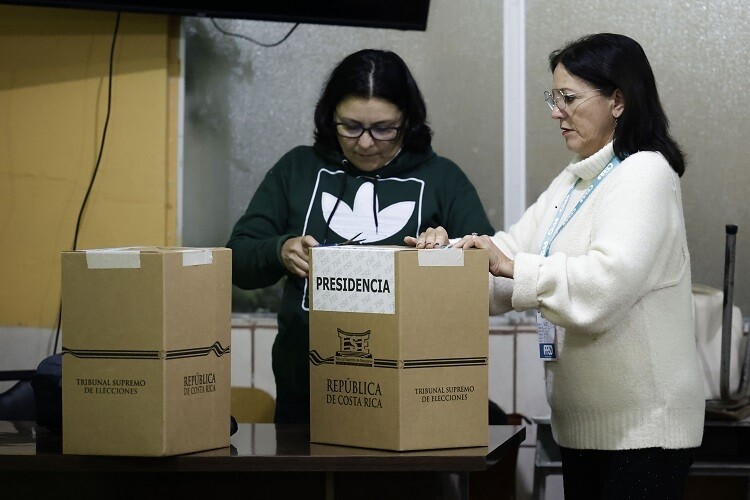
Costa Ricans are participating in general elections this Sunday to choose their president and the 57 deputies of the Legislative Assembly for the 2026-2030 period, following a political campaign marked by the issue of insecurity related to drug trafficking, which the population considers the country's main problem. Polls opened this Sunday at 6:00 local time (12:00 GMT) and will remain open for 12 hours until 6:00 in the afternoon local time, so that the 3.7 million registered people can decide on the future rulers of this Central American country, considered the most stable democracy in Latin America. During the day, 7,154 polling stations will be open, mostly in public educational centers throughout the country, as well as voting tables in prisons for 10,730 inmates; in nursing homes and other sites. Due to the time difference, the first polling stations to open did so on Saturday, Costa Rican time, in countries such as Australia, China, India, South Korea, and the Philippines, which are part of the 42 nations where Costa Rica has enabled voting centers in 49 consulates, for a total of 67,720 citizens to exercise their right to vote abroad. The pre-election campaign was marked by the issue of insecurity, which in polls is considered by the population as the country's main problem due to the increase in homicides, most of which are attributed to settling scores between drug trafficking gangs. The official candidate of the right-wing 'Pueblo Soberano' Party, Laura Fernández, has promised a hard line against organized crime, the possibility of establishing a state of emergency in conflictive areas, reforming the Judicial Power and laws against crime, and finishing the construction of a mega-prison inspired by the model implemented in El Salvador by that country's president, Nayib Bukele. Opposition candidates with the most support in polls, such as Claudia Dobles of the center-left 'Coalición Agenda Ciudadana', and Álvaro Ramos, of the social-democratic 'Partido Liberación Nacional', have agreed on the need to improve laws against organized crime and special police operations, but have presented proposals with a greater focus on the social aspect, education, the recovery of public spaces, sports, and culture. Many of the 19 opposition party candidates have pointed to Fernández's project as authoritarian; she has presented herself as the 'heir' to President Rodrigo Chaves and has promised to continue his plans. For the presidency, there are 20 candidates, 15 of whom are men and 5 are women, while in the case of deputies, there are 1,207 candidacies, of which 49.1% are women and 50.9% are men. The Supreme Electoral Tribunal (TSE), which will give the first results at 10:45 local time and has guaranteed that the electoral process is 'bulletproof' due to a series of controls and surveillance applied to electoral material and the presence of party poll watchers at the polling stations, among others.