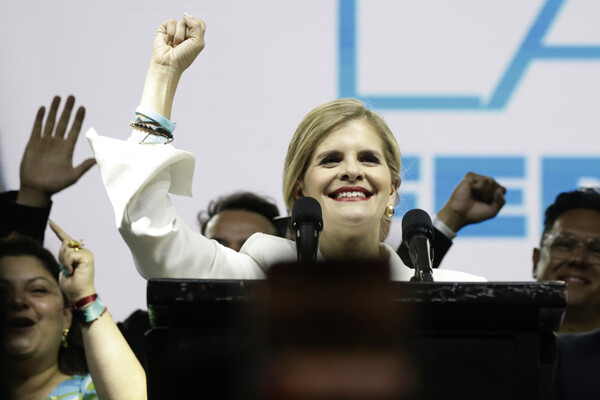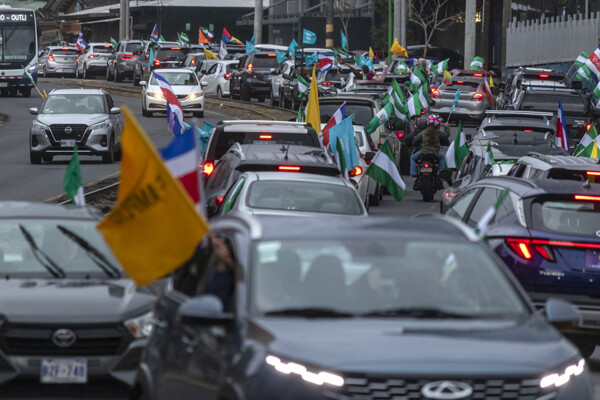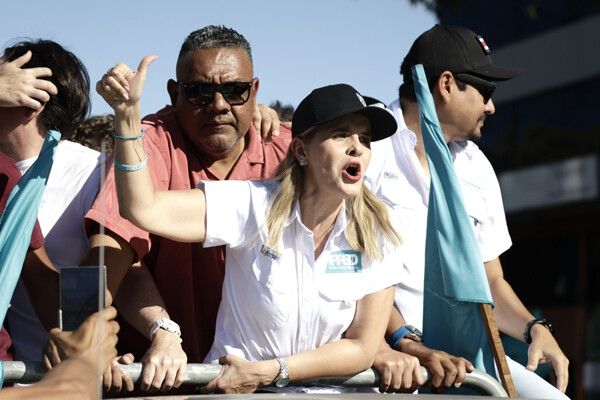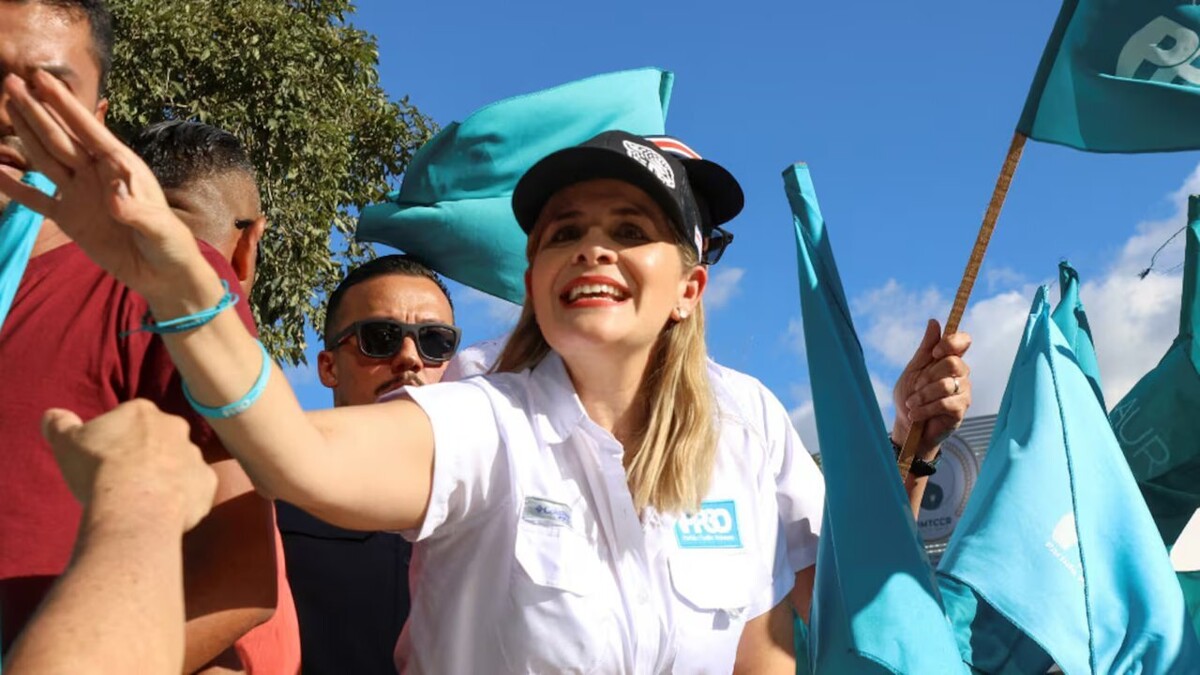
Buenos Aires, Feb 1 (NA) -- Some 3.7 million Costa Ricans are heading to the polls this Sunday to elect their next president in a day marked by the rise of ruling party candidate Laura Fernández, who arrives as the strong favorite after capitalizing on social discontent over the advance of drug trafficking. The 39-year-old conservative political scientist and political heir to current President Rodrigo Chaves centers her proposal on a frontal fight against crime, which includes the construction of a mega-prison inspired by the Salvadoran model of Nayib Bukele. Despite these criticisms, Fernández leads in voting intentions with 44%, according to the University of Costa Rica, which would allow her to avoid a runoff if she surpasses the 40% threshold, with 26% of voters still undecided. Meanwhile, the center-left is trying to regain ground with architect and former first lady Claudia Dobles, who is in third place in the polls. During her recent tours of San José, Dobles emphasized the need for a comprehensive approach to combat violence and the recruitment of minors by narco-gangs. The candidate of the Citizen Agenda Coalition stated that her meeting with international observers was 'very productive' and reaffirmed her confidence in the transparency of the Supreme Electoral Tribunal, while on security matters she maintained that 'prevention measures are necessary to prevent young people from being attracted by drug trafficking'. 'We are going to win in the first round and we will do it with 40 deputies!', exclaimed the former minister during her campaign closing, leaving clear her intention to gain the necessary legislative control to undertake deep reforms to the Constitution and the powers of the State. According to what the Argentine News Agency could learn, the electoral scenario presents a polarization between the promise of security and the warnings of the opposition sectors, who maintain that exceptional measures and increased penalties could lead to a dangerous authoritarianism for the country's historic stability. Álvaro Ramos, candidate of the National Liberation Party and second in the polls, distanced himself from the official proposal by stating that 'you can't lock people up for having tattoos'.